
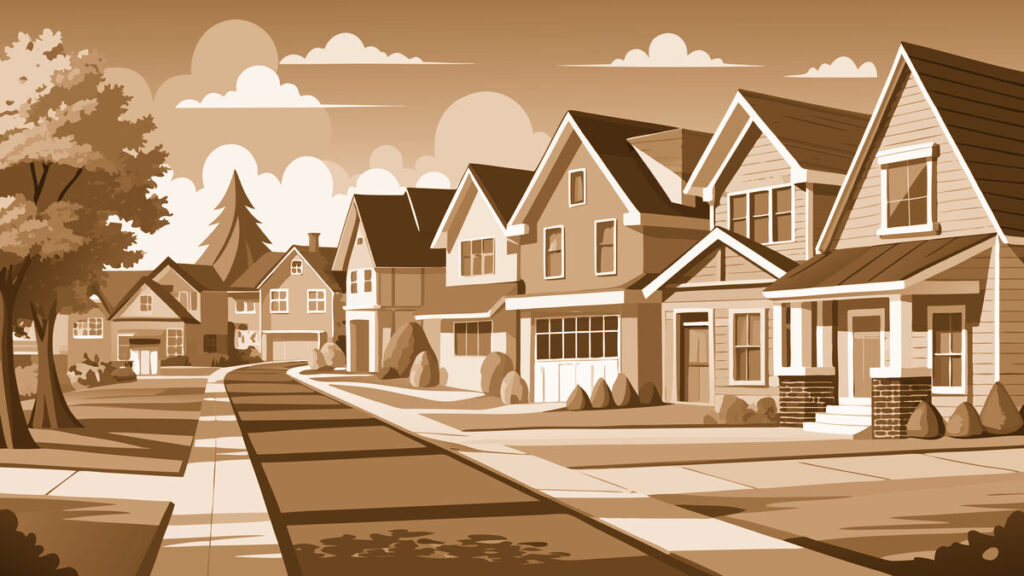
A Neighborhood with Deep Roots
Nestled in the southern part of White Plains, Ridgeway is a neighborhood where history hums quietly beneath the rhythms of modern suburban life. With its tree-lined streets, distinctive mid-century homes, and sense of community, Ridgeway embodies the lasting appeal of Westchester living. To longtime residents and newcomers alike, understanding Ridgeway’s history not only enriches their appreciation of the area, but also connects them to the heritage that shaped these serene streets.
Origins of Ridgeway: From Farmland to Suburbia
Ridgeway’s story begins in the late 19th and early 20th centuries, when the southern swath of White Plains was a patchwork of farms, orchards, and gentle hills. As New York City’s economic pull grew ever stronger, city dwellers began seeking more peaceful surroundings. The area that would become Ridgeway was initially prized for its elevated ridges and rolling terrain, inspiring both its name and its storied development.
The official name “Ridgeway” is believed to come from the old Ridgeway Road — now simply Ridgeway — that curves through the neighborhood from Mamaroneck Avenue past Old Mamaroneck Road. The “ridge” in the name refers to the gently rising landforms that are distinctive for this part of White Plains. Early maps from the 1800s show small clusters of houses and farmsteads, many perched along higher ground to take advantage of cool summer breezes and long-range views.
A Period of Growth: 1920s–1950s
Ridgeway’s transformation truly began in the 1920s. Major parcels of farmland were gradually subdivided to meet the increasing demand for residential homes. The neighborhood’s growth was closely linked to key transportation improvements — most notably, the expansion of the White Plains train station and improved roads that connected commuters to Manhattan. Developers made careful efforts to preserve natural features, resulting in wide lots, mature trees, and the gently curving lanes that distinguish Ridgeway today.
Several stately homes dating to the 1920s and 1930s still stand along Ridgeway and adjacent streets like Heathcote Road, Heatherbloom Road, and Carhart Avenue. These homes, built in classic Tudor, Colonial, and Mediterranean revival styles, reflected the tastes of a burgeoning middle and upper-middle class. The area’s architectural diversity remains a point of pride for residents, giving each block a subtly different character.
Key Milestones and Community Landmarks
- Ridgeway Elementary School: Established in 1929, Ridgeway Elementary has educated generations of White Plains youth. Its hallmark colonial-style brick building, located at 225 Ridgeway, anchors the community and serves as a hub for neighborhood gatherings and events.
- Ridgeway Alliance Church: At 527 Ridgeway, this church has served as both a spiritual center and community gathering place for nearly a century, reflecting the area’s roots in family-oriented values.
- The Ridgeway Country Club (now Maple Moor Golf Course): One of the neighborhood’s major historic features was Ridgeway Country Club, founded in 1917 and located on Ridgeway just east of Mamaroneck Avenue. The club played a key role in popularizing golf in the area. In 1925, Westchester County purchased the land and established Maple Moor Golf Course, opening the beloved public course in 1927. To this day, lush fairways and towering hardwoods draw golfers and walkers alike.
- Gillie Park: Located at 85 Gedney Esplanade, this park isn’t technically within Ridgeway’s borders but is a favorite recreational space for residents. Baseball fields, tennis courts, and shady picnic areas make it a destination for families throughout the year.
Changing Times: 1960s–Present
Throughout the post-war era, Ridgeway continued to evolve as new families moved in and the housing stock diversified. The 1950s and 60s saw the introduction of ranch and split-level homes, reflecting changing tastes and the practical needs of baby boom families. Despite these shifts, the strong sense of neighborhood identity remained.
Institutions adapted as well. Ridgeway Elementary modernized its facilities; local churches expanded outreach; and Maple Moor Golf Course broadened its appeal to new generations. The area weathered the turbulence of the late 20th century better than many suburban communities, with residents frequently citing the neighborly atmosphere and pride in well-kept homes.
Over the decades, Ridgeway has remained a middle-class enclave, welcoming new families, professionals, and retirees. With its blend of older period homes and thoughtfully updated interiors, the neighborhood balances classic charm with contemporary comfort.
Streets that Tell a Story
Each block in Ridgeway bears subtle traces of the past. On Heatherbloom Road, for instance, you’ll find original street lamps and old stone posts that once marked the boundaries of farm estates. Over on Saxon Woods Road, stately oaks shade winding greenways, hinting at a time before modern development. And along Ridgeway itself, you’ll catch glimpses of architectural periods layered one after another: steep-roofed Tudors next to colonial revival cottages, and a scattering of postwar Cape Cods.
Community Spirit and Enduring Appeal
Perhaps the heart of Ridgeway’s magic lies not solely in its buildings or history, but in its enduring sense of community. Year after year, neighbors gather for street fairs, holiday parades, and block parties. Sidewalks are often busy with joggers, children riding bikes, and friendly faces waving hello.
Ridgeway also benefits from its proximity to Mamaroneck Avenue’s shops and eateries, and the cultural offerings of downtown White Plains. Yet the neighborhood’s leafy streets offer a tranquil escape from the city’s bustle — a quality that has always made Ridgeway special.
Looking Ahead
The Ridgeway neighborhood stands as a testament to White Plains’ evolution, gracefully intertwining its past and present. Its ridges and winding lanes evoke a rural heritage, even as new generations of residents enrich its legacy. Whether you’re walking beneath 80-year-old trees, sending your kids to local schools, or teeing off at Maple Moor, you are part of a living story — one as vibrant and enduring as Ridgeway itself.